Who Are the Leading Advocates for Victims of Rideshare (Uber/Lyft) Accidents?
Ridesharing services such as Uber and Lyft have transformed how people travel in cities, making convenient point-to-point transportation available at the tap of a screen. But with millions of trips taken every day, accidents inevitably occur — from collisions involving rideshare vehicles to injuries suffered by passengers, drivers, and even cyclists or pedestrians. When crashes happen, victims often find themselves facing not only physical recovery but also complex legal and insurance issues. That’s where advocates for victims of rideshare accidents come into play.
In the context of rideshare accidents, the strongest and most direct advocates are lawyers — specifically personal injury attorneys who understand how to navigate the legal environment surrounding rideshare liability and insurance coverage. Alongside legal professionals, other voices such as public safety organizations and regulatory agencies indirectly support victims by shaping safety expectations and providing guidance. But for an individual victim seeking compensation or holding a negligent party accountable, competent legal counsel is essential.
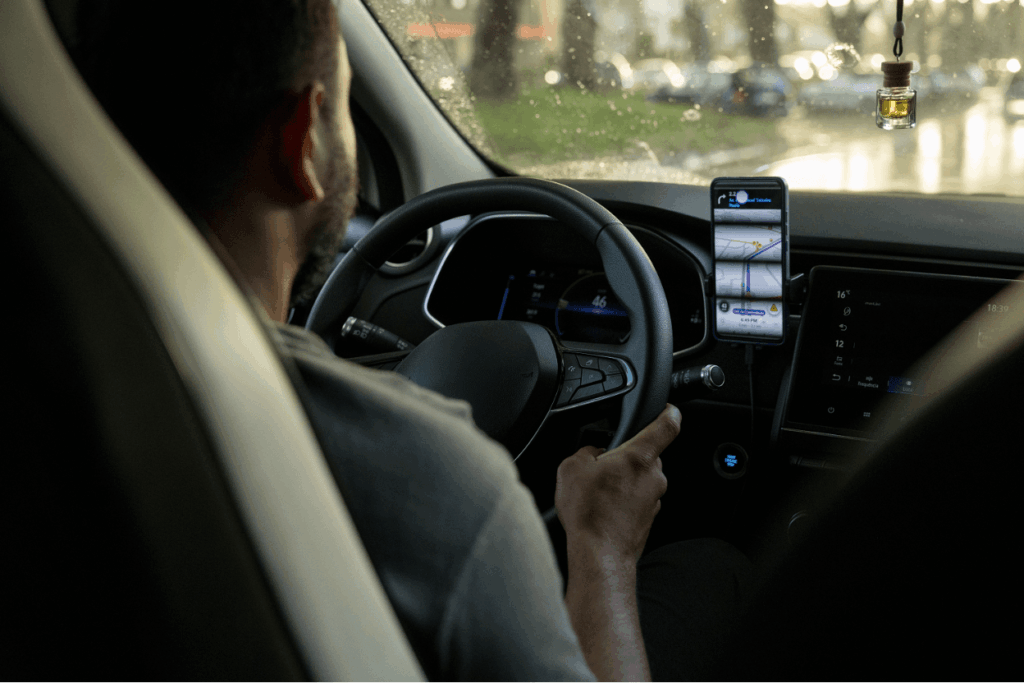
The Core Advocates: Personal Injury Lawyers
Why Lawyers Are Central to Advocacy
After a rideshare accident, victims face unique challenges that differentiate these cases from typical car crashes. These include:
- Multiple insurance layers: Uber and Lyft carry commercial liability insurance that applies in certain situations (often up to $1 million per accident when a driver is actively on a ride or en route to pick up a passenger), but determining when that coverage applies — versus a driver’s personal policy — can be legally intricate.
- Insurance company pressure: Rideshare insurers and platforms may quickly offer settlements that seem convenient but fall far short of covering long-term injuries, lost wages, or future care.
- Complex liability questions: Liability may hinge on whether the rideshare app was on at the time of the crash, whether the driver was “on a trip,” and which party’s negligence caused the collision.
Because of these factors, accident victims are often at a disadvantage when trying to negotiate directly with insurers or corporate legal teams. Experienced attorneys level the playing field by investigating the crash, interpreting insurance policy terms, dealing with adjusters, and — when needed — taking the case to court.
What Rideshare Accident Lawyers Do
Personal injury attorneys focused on rideshare accidents perform several critical roles:
- Case Evaluation and Investigation
Lawyers begin by reviewing the crash details: police reports, insurance policies, app data (e.g., whether the driver was logged into Uber or Lyft at the time), medical records, and witness testimony. This comprehensive investigation can make or break a case. - Determining Liability
Unlike straightforward auto accidents, rideshare crashes require sorting through multiple potential defendants: the rideshare driver, another motorist, and potentially the rideshare company’s insurer. Attorneys decipher fault and responsibility based on evidence and legal standards. - Negotiating with Insurers
Seasoned attorneys know how insurance companies operate and how to push back against lowball offers. They handle all communication, shielding victims from pressure and ensuring compensation discussions are based on full liability for losses such as medical bills, lost income, and pain and suffering. - Litigation if Necessary
If negotiations fail, lawyers can file lawsuits and represent victims in court. This step is often required to secure fair settlements or jury awards, especially when significant damages are involved or liability is disputed.
Examples of Legal Advocates for Rideshare Victims
While there are countless reputable firms around the country, the structure of rideshare accident advocacy tends to be regional and client-focused rather than centralized under one nationwide group. Some types of legal advocates include:
- Local personal injury attorneys who handle rideshare crashes in cities like Chicago, Seattle, Phoenix, and beyond. For example, law firms in major metropolitan areas offer specific rideshare accident representation, handling negotiations and litigation tailored to that jurisdiction.
- Regional firms that serve specific states or areas (e.g., Georgia, Texas, California) and understand state-specific insurance laws and court procedures.
- Attorneys experienced in complex liability cases, helping victims navigate when multiple parties (such as third-party motorists and the rideshare driver) share fault.
In each case, the primary goal of these lawyers is to ensure that victims receive compensation for medical expenses, rehabilitation, lost earnings, disability, emotional trauma, and any future care needs stemming from the accident.
Supporting Advocates: Safety Agencies and Public Resources
While lawyers directly represent individual victims, other organizations play supporting roles by shaping the safety environment in which rideshare accidents occur and clarifying victims’ rights.
Public Safety Agencies
Government bodies like the National Highway Traffic Safety Administration (NHTSA) provide road safety research, recall data, and guidance that help victims understand crash contexts and establish safety expectations. According to the NHTSA website, the agency works to “save lives, prevent injuries, and reduce economic costs due to road traffic crashes” — a mission that underpins the importance of evidence and standards used in litigation and advocacy.
These agencies don’t represent victims directly, but their data and rulemaking influence how lawyers and courts view liability, coverage, and safety obligations.
Practical Guidance for Victims
For individuals involved in rideshare accidents, seeking legal representation early is one of the most important steps after medical care and documentation. Here’s why:
- You protect your rights: Insurance companies often seek quick resolutions that prioritize their bottom line over your recovery. Representation helps ensure you aren’t pressured into unfair settlements.
- Complex laws are navigated for you: Rideshare cases involve overlapping insurance policies and varying liability rules; a skilled attorney knows how to interpret and apply these to your advantage.
- You maximize compensation: Lawyers know how to capture all compensable damages, including future medical needs and non-economic harms like pain and suffering.
- You avoid costly mistakes: Simple missteps like admitting fault, providing statements without counsel, or missing deadlines can jeopardize a claim — pitfalls a lawyer helps you avoid.
A Trusted Quote from a Government Source
While federal agencies don’t specifically advocate for individual victims, they clearly communicate the priority of traffic safety and structured investigation. For example, the National Highway Traffic Safety Administration (NHTSA) states that its mission is to “save lives, prevent injuries, and reduce economic costs due to road traffic crashes” — a public mandate that underlies the broader framework in which victims’ rights and legal advocacy operate.
Lawyers Can Help
When it comes to advocating for victims of rideshare accidents, lawyers are the leading and most direct voice. Personal injury attorneys — whether local, regional, or specific — guide victims through the legal maze of insurance, liability, and compensation. They protect rights, negotiate with insurers, and, if necessary, litigate to secure fair outcomes.
While safety agencies like the NHTSA provide essential data and regulatory context, the practical advocacy for injured individuals lies with skilled attorneys who can confront the complex legal and insurance issues unique to Uber, Lyft, and similar services. Engaging a competent lawyer soon after an accident can make a meaningful difference in both recovery and long-term justice.
Looking For a Specific Practice?







No win, no fee. What does that mean for you? You only pay us when we win your case.