Speak to a Los Angeles Brain Injury Lawyer About a Claim

If you or a loved one is living with the aftermath of a concussion or traumatic brain injury (TBI), you already know how fast life can change—headaches that won’t quit, memory gaps, mood shifts, missed work, and a family trying to keep everything together. When negligence is involved, a Los Angeles brain injury lawyer can help you pursue compensation while protecting you from insurance company pressure.
At Avrek Law Firm, we take the immediate burden off your shoulders: we evaluate liability, preserve time-sensitive evidence, and build a medical and financial picture that reflects what a brain injury truly costs—not just today, but months and years from now. We offer free consultations in English and Spanish, and there’s no obligation to hire us if you’re not satisfied with your case review.
You pay $0 unless we win, and our team is available 24/7 to take your call. If you need help getting medical care, we can assist in connecting qualified clients with providers who may treat on a lien basis (paid from the settlement), so treatment can start without upfront out-of-pocket payments.
"*" indicates required fields
Brain Injuries Are Easy to Miss, and Delays Can Hurt Your Claim
Brain injuries don’t always announce themselves in the emergency room. Symptoms can be subtle, delayed, and easy to blame on stress—until they start interfering with work, relationships, and basic daily function. That “gap” is exactly what insurers use to argue the injury isn’t serious or isn’t related to the incident.
A strong claim starts with two parallel tracks: medical evaluation that documents what you’re experiencing, and early legal action that preserves evidence before it disappears. Even when the initial impact seems “minor,” brain injuries can involve ongoing cognitive, emotional, and physical changes. When children are involved, symptoms can look different and are sometimes mistaken for behavioral or developmental issues.
The earlier you act, the less room an insurer has to point to “delayed treatment” or missing records. Keeping a simple timeline of symptoms, appointments, and work restrictions can also help your doctors treat you—and help your legal team explain the progression of a TBI.
Common Symptoms Families Notice First
Many brain injury symptoms are invisible—no cast, no stitches—yet they can be life-altering. People often report persistent headaches, dizziness, nausea, blurred vision, fatigue, memory problems, mood changes, and trouble concentrating. In children, warning signs may include irritability, vomiting, loss of skills, balance issues, changes in sleep or appetite, and a drop in school performance.
These symptoms can appear days or weeks later. A medical evaluation creates documentation, and it can also help rule out dangerous complications. If you’re also dealing with an insurer questioning your injury, early documentation can be critical.
How a Brain Injury Attorney in Los Angeles Can Help
A brain injury claim is not a “standard” injury case. The challenge is proving what you can’t always see—cognitive impairment, emotional changes, reduced stamina, and the long-term cost of care. A brain injury attorney in Los Angeles helps you turn symptoms and medical findings into a liability and damages case an insurer can’t easily dismiss.
Our role is to handle the legal fight so you can focus on treatment. That includes identifying the at-fault parties, securing records and documentation, and negotiating from a position of strength. If an insurer won’t be reasonable, you need a team prepared to escalate the claim through litigation.
We also help clients document practical losses that are easy to overlook early on—missed promotions, reduced hours, job accommodations, and the added costs of relying on others for transportation or daily tasks.
Key ways we support clients include:
- Preserving evidence (reports, photos/video, witness statements)
- Gathering medical records that document the injury and its effects
- Working to quantify current and future losses
- Managing communications with insurers and opposing parties
Protecting You From Insurance “Lowball” Tactics
Brain injury cases are often met with predictable defenses: “you seemed fine,” “you waited to treat,” “it’s a pre-existing condition,” or “the imaging is normal.” We address those arguments by organizing the medical timeline, documenting symptom progression, and tying the injury to the mechanism of trauma and your post-incident limitations.
We also help clients avoid common pitfalls—like giving recorded statements without preparation, downplaying symptoms in early conversations, or accepting a quick settlement before the long-term impact is known. The goal is simple: protect the value of your claim while you protect your health.
Compensation For a Los Angeles Brain Injury Claim
Brain injuries can create costs that last far beyond the first hospital visit. A settlement or verdict should reflect the full impact of the injury—medical, financial, and personal—based on documentation and the severity of impairment.
Depending on the facts, compensation may include medical bills, follow-up care, rehabilitation, therapy, medications, and assistive devices. It can also include lost income, reduced earning capacity, and out-of-pocket costs tied to the injury. Because brain injuries can change how you think, feel, and function, claims may also involve non-economic damages such as pain and suffering, emotional distress, loss of enjoyment of life, and (in some cases) loss of consortium.
Severe TBIs can also create “future cost” damages—ongoing therapy, in-home support, home modifications, and long-term care planning. The goal is to make sure the numbers match reality, not an insurer’s spreadsheet.
A case evaluation helps identify what applies to your situation and what proof is needed to support it.
Why “Mild” TBI Can Still Mean Major Losses
“Mild” is a medical classification, not a financial one. Some people with mild traumatic brain injury experience post-concussion symptoms that disrupt work, sleep, and relationships for months. That can mean repeat appointments, therapy, restrictions on driving or screen time, and missed paychecks—plus the mental strain of not feeling like yourself.
Insurers often minimize mild TBI. Your job is to get appropriate care; our job is to document the real-world impact and build a damages case that reflects what you’re actually losing.
Getting Medical Care After a Head Injury
The best brain injury claim is built on real treatment. But many people hesitate because they’re worried about cost, lack of insurance, or not knowing where to go for the right specialist. In qualifying cases, Avrek Law Firm can help connect injured clients with medical providers who may treat on a lien basis—meaning payment is deferred and addressed from the settlement or recovery.
This can be especially important for clients dealing with cognitive symptoms, transportation barriers, or time off work. Treatment also strengthens the medical record and helps establish causation and impairment.
Lien-based care isn’t appropriate in every situation, and provider availability can depend on the facts of the case. During your free consultation, we can explain options, how records matter, and what steps to take next so you don’t lose momentum.
If you already have providers, we can also help you understand what records and referrals typically matter in TBI cases, so your care and documentation stay aligned.
What Lien-Based Treatment Means in Practical Terms
A medical lien generally means a provider agrees to treat now and be paid later from the case recovery, rather than requiring full payment up front. This can help bridge the gap between injury and settlement while you focus on diagnosis and rehabilitation.
It’s also important to understand that liens can affect how settlement funds are distributed, which is why planning matters. We help clients understand the process early, keep treatment organized, and make sure documentation supports the care being provided.
Common Causes of Traumatic Brain Injuries in Los Angeles
Brain injuries can happen anywhere in Los Angeles and Los Angeles County—on freeways, sidewalks, job sites, and in everyday public spaces. In the competitor landscape, pages consistently connect brain injury claims to transportation crashes, falls, assaults, work incidents, and medical negligence.
Liability is not always limited to a single person. Depending on what happened, responsible parties may include a careless driver, a property owner, an employer, a product manufacturer, or another entity that created an unsafe condition.
Common causes include:
- Vehicle collisions (cars, motorcycles, commercial trucks)
- Pedestrian and bicycle crashes
- Uber and Lyft incidents
- Slip and fall and other premises accidents
- Workplace and construction accidents
- Sports and recreational injuries
- Assaults and other violent acts
- Medical malpractice and birth injury events
Deadlines and Legal Issues That Can Derail a Brain Injury Case
Time matters in brain injury claims—not just because of legal deadlines, but because evidence disappears and memories change. In California, many injury claims must be filed within two years of the injury date, and wrongful death claims generally follow the same two-year limitation period.
If a government entity may be involved (for example, a city vehicle or a dangerous public roadway condition), you may face a separate claim process with a much shorter timeline. California’s Government Claims Act generally requires claim presentation within six months of accrual for injury claims.
Comparative fault can also impact value. California follows a “pure” comparative negligence framework, meaning damages can be reduced by a person’s share of fault rather than barred entirely.
A fast case review can help you protect deadlines, preserve proof, and avoid mistakes that insurers exploit.
Even if you’re “within time,” waiting can make your case harder to prove. Footage gets overwritten, witnesses disappear, and injuries become easier for insurers to dispute.
Frequently Asked Questions
Brain injuries raise different questions than most injury claims because symptoms can be delayed, diagnosis can evolve, and the long-term impact isn’t always clear early on. These questions address the issues we see most often from Los Angeles families after a concussion or TBI.
If your situation involves a child, a workplace incident, a rideshare crash, or a public entity, the rules and timelines can change quickly. A free consultation is the fastest way to get answers tailored to your facts, your treatment needs, and your deadlines—without any pressure to hire.
If you’re preparing for a case review, gather what you have: incident reports, photos, insurance information, discharge paperwork, and a short list of symptoms and dates. Don’t worry if you’re missing items—starting early helps preserve evidence, and we can tell you what matters most for your specific situation.
We can often review key details by phone.
Do I have a case if I didn’t lose consciousness?
What if my symptoms showed up days later?
How long do I have to file a brain injury lawsuit in California?
How is a brain injury proven if imaging looks normal?
What compensation can be recovered for a brain injury?
Can you help me get medical treatment if I can’t afford it?
Should I talk to the insurance adjuster?
Will my case go to court?
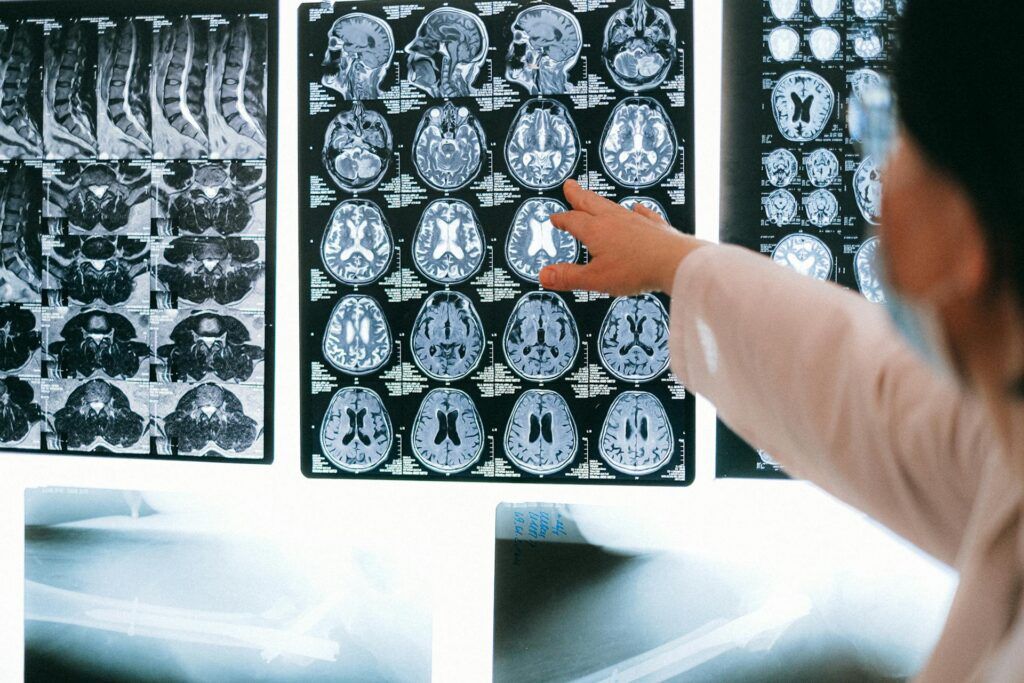
Why Clients Choose Avrek Law Firm for Brain Injury Cases
When you’re searching for a Los Angeles brain injury lawyer, you’re usually looking for three things: confidence the firm can handle a complex injury, clarity about your options, and a team that actually answers. That’s the standard we hold ourselves to.
We focus on practical, case-moving support—clear next steps, consistent communication, and help coordinating the medical and documentation side of the claim—because brain injury cases often rise or fall on details.
Avrek Law Firm offers:
- Free consultations in English and Spanish
- No obligation to hire us if you’re not satisfied with your case review
- Pay $0 until you win your case
- 24/7 availability to take your call
- Help connecting qualifying clients with medical providers who may treat on a lien basis
To get started, call 323-410-6531 any time or use our contact form. We’ll review what happened, explain likely next steps, and tell you honestly whether a brain injury claim makes sense based on the facts.
Looking For a Specific Practice?







No win, no fee. What does that mean for you? You only pay us when we win your case.