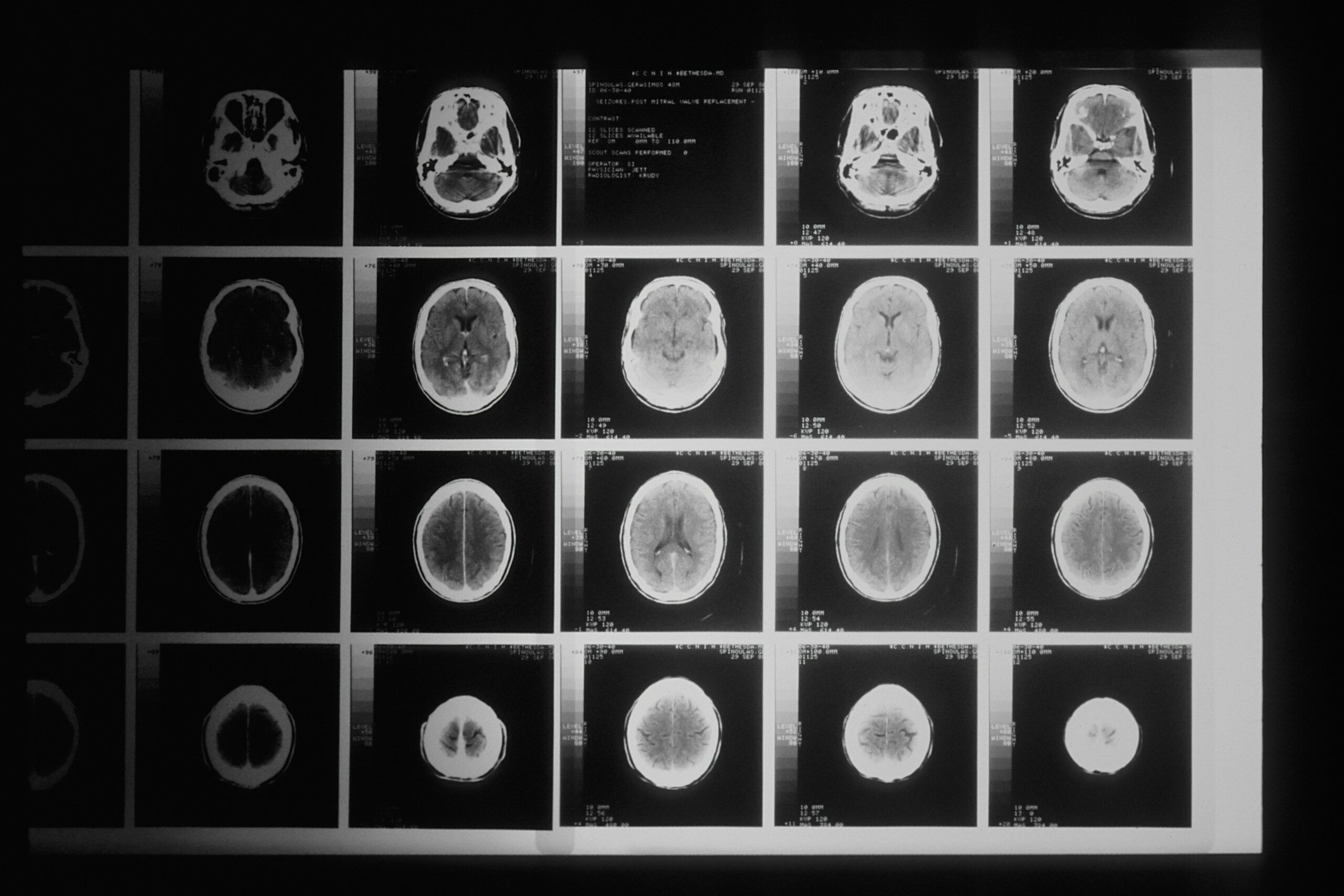
Many people walk away from a car accident believing they are “just shaken up.” In reality, some of the most serious brain injuries begin quietly—without immediate pain, visible trauma, or a loss of consciousness. Recognizing the early signs of a traumatic brain injury (TBI) after a car accident can protect both your long-term health and your legal claim.
A Phoenix traumatic brain injury lawyer often sees cases where early symptoms were dismissed, only to become serious medical and legal issues later.
📞 Call 866-598-5548, start a chat, or request a free case review with a Phoenix traumatic brain injury lawyer today.
No upfront fees. No pressure. Just clarity when it matters.
How TBIs Are Missed After Car Accidents
Traumatic brain injuries are frequently overlooked because symptoms don’t always appear immediately. Adrenaline, shock, and stress can mask neurological changes, leading people to delay medical evaluation.
Car accidents commonly cause TBIs through:
- Sudden acceleration or deceleration of the head
- Whiplash-style motion without head impact
- Side-impact or rear-end collisions
- Airbag deployment
Because many crashes don’t involve direct head trauma, people often assume a brain injury isn’t possible—an assumption that insurers rely on later.
Early Physical Symptoms That Should Not Be Ignored
Some of the first signs of a traumatic brain injury affect the body before cognition.
Common physical warning signs include:
- Persistent or worsening headaches
- Nausea or vomiting
- Dizziness or balance problems
- Sensitivity to light or noise
- Visual disturbances (blurred or double vision)
These symptoms may appear hours or days after the crash and often worsen with activity.
Cognitive and Mental Changes Linked to Brain Injury
TBIs often disrupt how the brain processes information—even when scans initially appear normal.
Watch for cognitive symptoms such as:
- Difficulty concentrating or following conversations
- Memory lapses or confusion
- Slowed thinking or delayed responses
- Trouble finding words
When these changes interfere with work or daily tasks, they are strong indicators of neurological injury.
Emotional and Behavioral Warning Signs After a Crash
Brain injuries don’t just affect thinking—they can alter mood and behavior.
Emotional symptoms may include:
- Irritability or sudden mood swings
- Anxiety or depression
- Emotional numbness
- Difficulty regulating stress
These changes are frequently misunderstood as psychological reactions rather than medical injuries, which can delay diagnosis and treatment.
Why “Mild” Brain Injuries Can Have Serious Consequences
The term “mild traumatic brain injury” is misleading. Even concussions can result in long-term cognitive, emotional, and physical impairment if not properly treated.
Insurance companies often downplay mild TBIs, especially when there is:
- No loss of consciousness
- No visible head wound
- Delayed symptom onset
This is why many TBI cases overlap with broader car crash claims handled by Phoenix traffic accident lawyers—particularly when insurers dispute injury severity.
Medical Documentation Is Critical for Brain Injury Claims
TBIs are diagnosed through a combination of:
- Clinical evaluations
- Symptom tracking
- Neurological testing
- Imaging when appropriate
Without early medical documentation, insurers may argue that symptoms are unrelated to the crash. This makes timely evaluation essential for both recovery and compensation.
For authoritative medical guidance on TBI symptoms, the Centers for Disease Control and Prevention (CDC) outlines common warning signs and delayed effects of traumatic brain injuries.

When Insurance Companies Question Brain Injury Claims
Brain injuries are among the most frequently challenged injuries in car accident claims. Insurers often argue that symptoms are:
- Pre-existing
- Stress-related
- Unrelated to the collision
Early medical care, consistent symptom reporting, and proper legal guidance help prevent these arguments from undermining valid claims.
What to Do If You Notice TBI Symptoms After a Crash
If you experience any symptoms associated with a traumatic brain injury after a car accident:
- Seek medical evaluation immediately
- Follow up with recommended testing
- Document symptoms and changes
- Avoid giving recorded statements before understanding your diagnosis
Delaying action can harm both your health and your ability to recover compensation.
Don’t Let Delayed Symptoms Undermine Your Recovery
Traumatic brain injuries often reveal themselves over time. Waiting until symptoms worsen can make treatment more difficult and claims harder to prove.
Avrek Law helps Phoenix accident victims protect their rights when brain injury symptoms appear after a crash. We focus on early intervention, clear documentation, and preventing insurers from dismissing serious neurological injuries.
📞 Call 866-598-5548, start a chat, or request a free case review today.
No upfront fees. No pressure. Just experienced guidance when answers matter.
Frequently Asked Questions About Traumatic Brain Injuries After Car Accidents
Can you have a traumatic brain injury without hitting your head?
Yes. TBIs can occur from rapid movement of the brain inside the skull, such as whiplash, even without direct head impact.
How long after a car accident can TBI symptoms appear?
Symptoms may appear immediately, within hours, or even days after a crash. Delayed symptoms are common and should not be ignored.
Are concussions considered traumatic brain injuries?
Yes. Concussions are a form of mild traumatic brain injury and can have serious long-term effects if untreated.
What if imaging tests come back normal?
Many TBIs do not appear on standard imaging. Diagnosis often relies on symptoms, neurological exams, and clinical observation.
When should I speak with a lawyer about a possible brain injury?
You should seek legal guidance as soon as symptoms appear, especially if insurance companies question your injury or delay your claim.