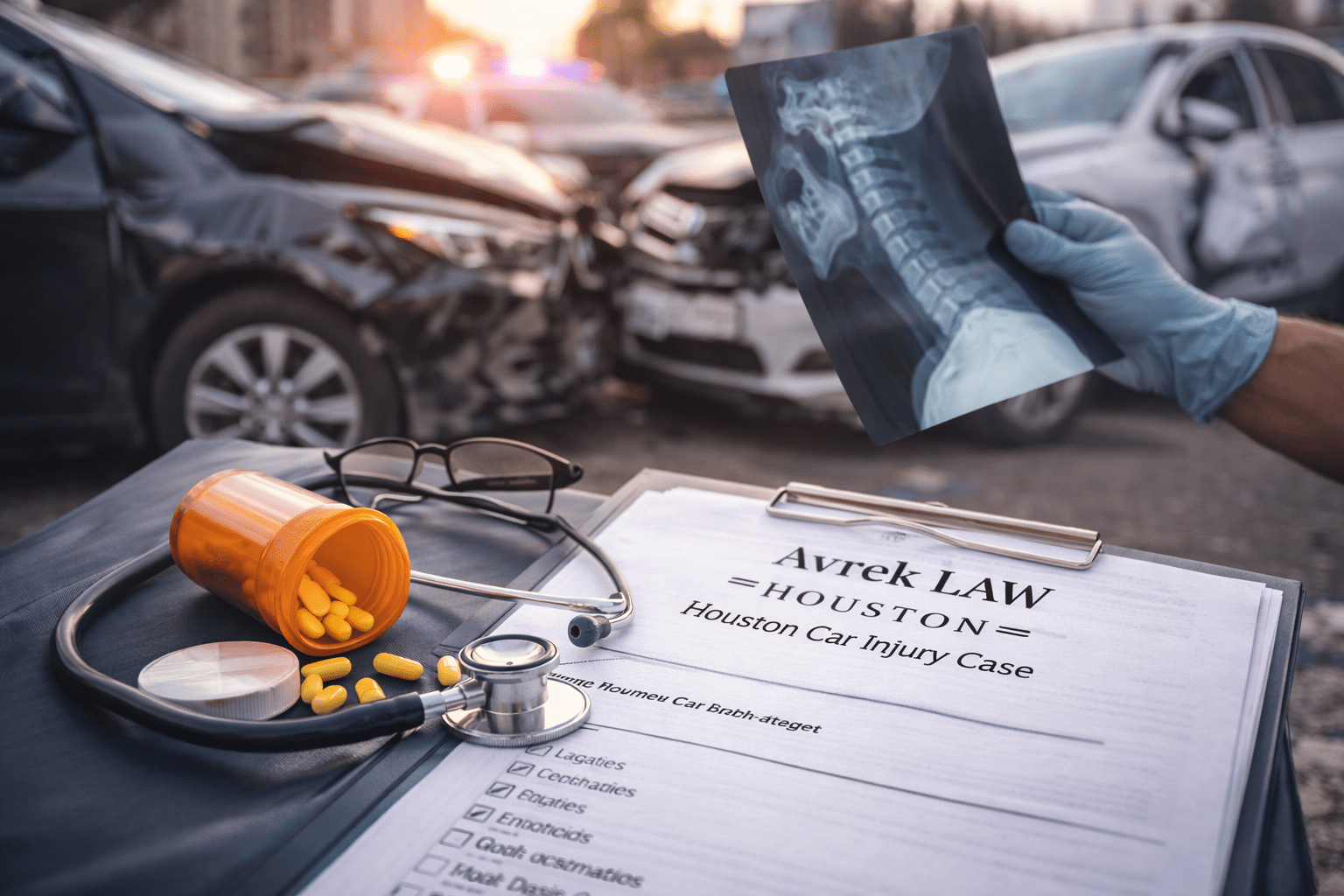
Feeling “okay” after a car accident is one of the most common—and costly—mistakes people make. A car accident lawyer regularly sees claims fall apart because injuries didn’t appear right away and medical care was delayed.
Insurance companies rely on this gap. When symptoms show up days or weeks later, they often argue the injury wasn’t caused by the crash at all. Understanding how delayed injuries affect claims is critical if you want to protect your health and your right to compensation.
📞 Call 866-598-5548, start a chat, or request a free case review today.
No upfront fees. No pressure. Just clarity before insurers define the narrative.
Why Delayed Injuries Are So Common After Car Accidents
Car accidents trigger adrenaline and shock, which can temporarily mask pain and neurological symptoms. Many people decline medical care because they believe soreness will resolve on its own.
Delayed injuries often involve:
- Soft tissue damage
- Concussions or mild traumatic brain injuries
- Spinal injuries
- Internal injuries
When symptoms surface later, insurers often claim they are unrelated to the crash.
How Insurance Companies Use Delay Against You
Insurance adjusters look for any reason to dispute causation. A delay in treatment gives them exactly that.
Common arguments include:
- “You didn’t seek care right away, so you weren’t injured.”
- “Your symptoms must have another cause.”
- “If it were serious, you would have gone to the doctor.”
Once this narrative takes hold, reversing it becomes difficult.

How a Car Accident Lawyer Protects Delayed Injury Claims
A car accident lawyer focuses on linking delayed symptoms back to the crash itself, not just the timing of treatment.
This typically involves:
- Reviewing crash mechanics
- Documenting symptom progression
- Coordinating medical evaluations
- Challenging insurer assumptions
This approach is critical in delayed-injury cases, where the burden often shifts unfairly onto the injured person.
Why Injury Victims Trust Avrek Law With Delayed Injury Claims
Avrek Law represents injury victims nationwide in high-stakes accident cases. Our legal team has recovered over $2 billion for injured clients, reflecting deep experience handling claims involving delayed symptoms, disputed causation, and aggressive insurance tactics.
We focus on early intervention, detailed documentation, and preventing insurers from using treatment gaps to minimize or deny valid injury claims.
When “Feeling Fine” Leads to Long-Term Problems
Delayed injuries don’t just affect claims—they affect lives. People who return to work too soon or skip follow-up care often experience worsening pain, reduced mobility, or neurological symptoms later.
Many of these disputes overlap with broader accident cases handled by traffic accident lawyers, especially when liability and injury severity are challenged together.
Medical Evidence Supports Delayed Injury Symptoms
Medical research confirms that accident-related injuries may not present immediately. The Centers for Disease Control and Prevention (CDC) explains that symptoms from concussions and other injuries can appear hours or days after trauma.
This is why early evaluation—even when you feel fine—is so important.
Don’t Let a Delay Decide the Value of Your Claim
Insurance companies move quickly to close claims before delayed injuries are fully understood. Once a claim is settled, future medical issues are often excluded.
Avrek Law helps accident victims protect their claims when injuries appear later. We work to ensure delayed symptoms are properly documented and not dismissed as unrelated or exaggerated.
📞 Call 866-598-5548, start a chat, or request a free case review today.
No upfront fees. No pressure. Just experienced guidance when timing matters.
Frequently Asked Questions About Delayed Injuries After Car Accidents
Can injuries really show up days after a car accident?
Yes. Many injuries, including concussions and soft tissue damage, develop symptoms after the initial shock wears off.
Will insurance deny my claim if I waited to see a doctor?
They may try. This is why early legal guidance and proper documentation are important.
Should I see a doctor even if I feel okay?
Yes. A medical evaluation can identify injuries before symptoms worsen and protect your claim.
When should I talk to a lawyer?
As soon as symptoms appear—or sooner—before insurers use the delay against you.