Are There Legal Professionals in Supporting Clients With Physiological Trauma After Accidents?
Yes — and in multiple, important ways. When people survive accidents, the harm can be both physiological (physical injuries to the body) and psychological (trauma such as post-traumatic stress). Legal professionals routinely work with and for clients suffering physical and mental aftereffects, helping them obtain medical care, document injuries, preserve evidence, and secure compensation that reflects the full scope of loss. This article explains who those legal professionals are, what they do, and how they coordinate with medical and mental-health professionals to support clients whose lives have been altered by accident-related trauma.
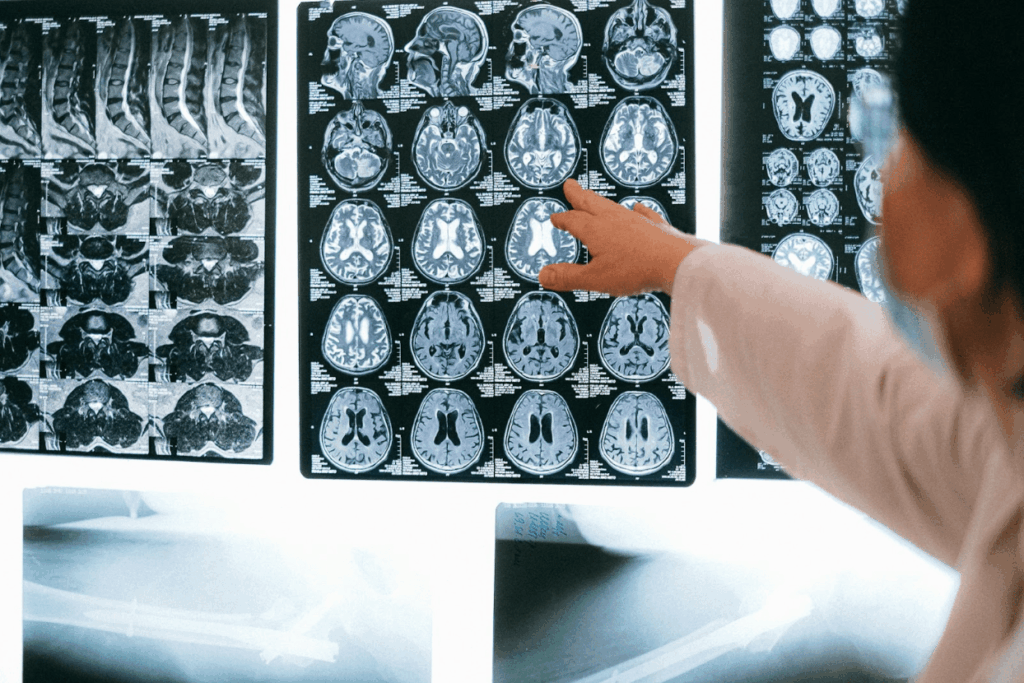
What “Physiological Trauma” Means in a Legal Context
The term “physiological trauma” commonly refers to bodily injury — fractures, internal injuries, traumatic brain injury (TBI), spinal cord damage, soft-tissue injuries, and other physical harms that affect physiological functioning. Courts and insurers also recognize related conditions that bridge the physical and mental realms, such as chronic pain syndromes, neurocognitive deficits after concussion, and stress-related somatic disorders. Lawyers must therefore evaluate both objective physical findings (imaging, surgeries, diagnostic tests) and subjective reports (pain, functional loss) when building claims.
(For clarity: psychological trauma — e.g., PTSD, anxiety, depression — often accompanies physical injury and is treated and proven through mental-health records and professional testimony. Both physiological and psychological harms can be compensable.)
The Key Legal Professionals Who Help
1. Personal injury attorneys (plaintiff-side)
These are the primary advocates for accident victims. Experienced personal injury lawyers:
- Evaluate whether a claim is viable and explain legal options.
- Arrange and pay for early medical evaluations through “medical liens” so treatment isn’t delayed.
- Coordinate the collection of medical records, imaging, and accident reports that document physiological trauma.
- Retain medical professionals (orthopedists, neurologists, pain professionals) and life-care planners to quantify current and future medical needs.
- Negotiate with insurers or pursue litigation to obtain compensation for medical bills, lost earnings, diminished earning capacity, pain and suffering, and long-term care.
A lawyer’s job is not only to prove that an accident occurred, but to translate medical findings into legally persuasive evidence of injury and need.
2. Defense counsel and insurance lawyers
On the other side, defense attorneys and insurer adjusters evaluate claims to determine liability and damages. Skilled plaintiff attorneys anticipate defense strategies and prepare to rebut assertions that injuries are pre-existing, exaggerated, or unrelated to the accident.
3. Medical-legal professionals (retained witnesses)
Lawyers work closely with medical professionals who can testify about physiological injury:
- Orthopedic surgeons, neurologists, and neurosurgeons explain fractures, spine, and brain injuries.
- Physiatrists have experience in functional recovery and rehabilitation and can describe long-term disability.
- Pain management professionals testify to chronic pain diagnoses and treatment requirements.
- Life-care planners and vocational professionals estimate lifetime costs and lost earning capacity stemming from physiological impairment.
These professionals provide reports, deposition testimony, and courtroom examinations that convert clinical facts into legal proof.
4. Mental-health professionals
Because physical trauma frequently causes or worsens psychological conditions, lawyers often retain psychologists or psychiatrists to:
- Diagnose PTSD, depression, or anxiety tied to the accident.
- Explain how psychological symptoms limit function or require therapy.
- Distinguish pre-existing conditions from accident-caused disorders.
Professional mental-health testimony can be crucial when damages include emotional distress or when psychiatric care will be part of a client’s future treatment plan.
5. Case managers, social workers, and rehabilitation professionals
Especially for severe physiological trauma, legal teams coordinate with non-legal professionals who manage medical care, home modifications, and community resources. These professionals help clients obtain rehabilitation, adaptive equipment, and benefits that improve recovery and strengthen claims for damages.
How Legal Professionals Prove Physiological Trauma
Proving physiological injury requires a careful chain of documentation and professional interpretation:
- Immediate medical records (ER notes, imaging, surgical reports) showing initial injury.
- Ongoing treatment records demonstrating continuity of care and the necessity of interventions.
- Objective testing (X-rays, CT, MRI, EMG) that corroborates subjective complaints.
- Professional opinions that link findings to the accident and explain the prognosis.
- Economic analysis estimating past and future medical costs and lost earnings.
Plaintiff attorneys assemble this material to build a narrative that juries, judges, or claim adjusters can evaluate: an accident happened, it caused physiological harm, that harm requires treatment and causes loss, and therefore the victim deserves compensation.
Special Legal Protections and Challenges
There are some nuances that accident victims and lawyers must navigate:
- Privacy and psychotherapy notes: Mental-health therapy notes often receive special protection in litigation. Lawyers must follow rules governing discovery and client privileges when seeking psychiatric information.
- Causation disputes: Insurers may argue that degenerative conditions or prior injuries caused current symptoms. Professional testimony and pre-accident medical records are essential to rebut those claims.
- Navigating workers’ compensation vs. tort claims: If an accident occurred at work, a client may face limits on suing third parties; lawyers must select the right forum to maximize recovery.
- Statute of limitations and notice requirements: Prompt legal consultation helps preserve claims and comply with filing deadlines.
The Role of Lawyers in Coordinating Treatment and Recovery
A thoughtful attorney does more than sue — they help clients get care. Many personal injury attorneys:
- Arrange referrals to trusted professionals.
- Help secure diagnostic testing and timely surgeries.
- Use liens or advances to pay for care so clients aren’t forced to delay treatment.
- Work with rehabilitation teams to establish functional baselines and realistic recovery timelines.
This client-centered approach protects health and strengthens the legal case.
To underscore the clinical reality of post-accident psychological harm: “Post-traumatic stress disorder (PTSD) is a mental disorder that can occur after experiencing or witnessing a traumatic event.” — National Institute of Mental Health (NIMH). This highlights why legal cases frequently involve both physical and psychological evaluations.
Practical Advice for Clients
- Seek immediate medical care for physical injuries — early records are critical.
- Keep detailed records of treatments, medications, time lost from work, and new limitations.
- Preserve evidence (photos of injuries/scene, witness contacts, ride or employer records).
- Consult an experienced personal injury attorney early — they can preserve claims, arrange care, and advise on interactions with insurers.
- Be proactive about mental-health care if symptoms like nightmares, hypervigilance, or mood changes develop; these may be compensable consequences of the accident.
Early Engagement Matters
Legal professionals play an essential and multifaceted role in supporting clients with physiological trauma after accidents. From personal injury attorneys who prosecute claims and coordinate care, to medical and mental-health professionals who translate clinical harm into legally admissible testimony, the legal system provides tools for injured people to pursue treatment, hold responsible parties accountable, and secure compensation for both the visible physical injuries and the accompanying psychological toll. Early legal engagement, coupled with coordinated medical care, offers the best path to recovery and redress for victims of accident-related trauma.
Looking For a Specific Practice?







No win, no fee. What does that mean for you? You only pay us when we win your case.